
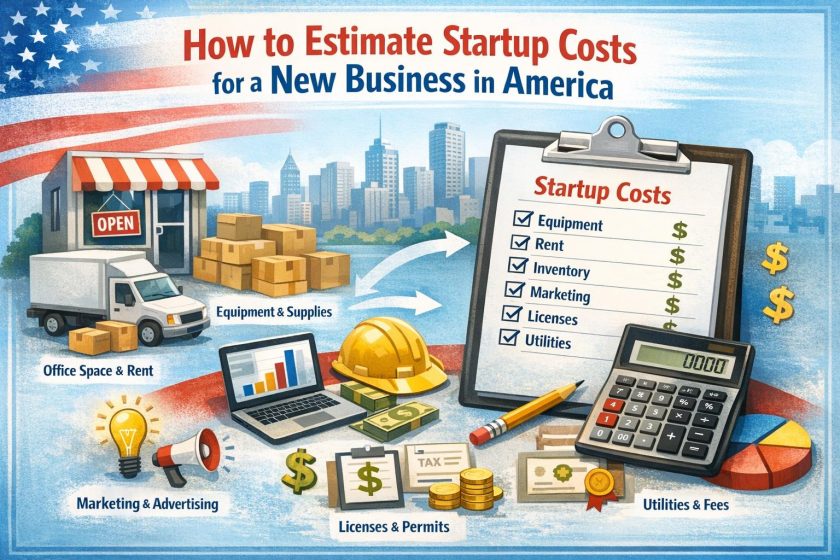
Understanding Startup Costs
Starting a new business in the United States requires a structured financial assessment well before products are sold or services are delivered. Among the earliest and most consequential tasks is identifying and calculating startup costs. These costs encompass all expenses incurred from the initial planning stages through the point at which the business begins generating consistent revenue. A precise understanding of these financial commitments supports informed decision-making, improves funding strategies, and reduces the likelihood of operational disruption.
Startup costs vary significantly depending on industry, geographic location, regulatory requirements, and the scale at which the business intends to launch. A home-based consulting firm may require modest capital, while a manufacturing operation, restaurant, or technology startup may demand substantial initial investment. Despite these differences, all businesses benefit from a disciplined approach to categorizing and forecasting startup expenditures.
The Scope of Startup Costs
Startup expenses extend beyond visible initial purchases such as equipment or inventory. They also include legal filings, professional services, deposits, early payroll obligations, marketing initiatives, and working capital reserves. Many new business owners underestimate the time between launch and consistent revenue generation. During this interval, the company must still cover recurring bills and operational expenses, which reinforces the importance of realistic forecasting.
In broad terms, startup costs can be divided into fixed costs and variable costs. Understanding the difference between these categories assists entrepreneurs in managing cash flow and constructing financial projections.
Fixed vs. Variable Costs
Fixed Costs
Fixed costs are expenses that remain consistent regardless of the level of business activity. Whether a company serves ten customers or one hundred, these costs generally remain stable over a defined period.
One significant fixed cost is rent or lease payments. Businesses operating from physical locations must account for monthly lease obligations, security deposits, and sometimes build-out expenses required to customize a premises. Commercial leases may include long-term commitments and additional costs such as property taxes, insurance contributions, and maintenance fees.
Utilities are another recurring fixed expense. Electricity, water, waste management, heating, cooling, and internet services often carry baseline charges independent of usage. While some variability can exist, a predictable minimum monthly amount is common.
Investment in technology also represents a substantial fixed outlay. This may include computers, servers, point-of-sale systems, specialized software licenses, cybersecurity tools, and cloud-based services. Many software subscriptions operate on monthly or annual contracts, establishing ongoing commitments that must be incorporated into forecasts.
Insurance is an essential and often mandatory cost. General liability insurance, professional liability coverage, workers’ compensation policies, product liability protection, and property insurance may be required depending on the nature of operations. Premium amounts are typically structured as recurring payments and are relatively predictable.
Additionally, administrative salaries for core management staff frequently function as fixed expenses in the startup phase. Even if business activity fluctuates, certain roles must be maintained to ensure continuity.
Variable Costs
Variable costs fluctuate in proportion to production levels, customer demand, or service output. These costs may rise as the business grows and decline during slower periods.
Marketing and advertising expenditures often vary depending on strategy and performance. Campaigns involving digital advertising, print materials, event sponsorships, or promotional discounts can be scaled up or down based on budget availability and marketing objectives. Early-stage businesses typically allocate flexible budgets to test customer acquisition channels.
For product-oriented enterprises, raw materials and inventory represent core variable costs. The volume of goods produced or purchased directly influences these expenses. Suppliers may offer volume-based pricing, which requires careful forecasting to avoid overstocking or shortages.
Labor costs can also be variable, particularly when staffing needs align with sales activity. Hourly employees, temporary staff, or contract workers may be scheduled according to demand levels. Training expenses may also fluctuate depending on hiring cycles.
Shipping charges, payment processing fees, packaging materials, and sales commissions further exemplify variable costs that change with transaction volume.
Industry-Specific Considerations
While fixed and variable classifications provide a foundational structure, industry-specific factors significantly shape total startup requirements. Each sector contains unique regulatory obligations, capital intensity levels, and time-to-profit expectations.
Service-Based Businesses
Service enterprises such as consulting firms, accounting practices, or marketing agencies generally require lower physical infrastructure investment. However, they may incur higher costs in professional licensing, liability insurance, and client acquisition. Reputation building through branding, portfolio development, and digital presence often becomes an early expenditure priority.
Retail and Hospitality
Retail stores and restaurants face substantial upfront investments in space preparation, fixtures, signage, furnishings, and inventory. Compliance with health codes, safety regulations, and accessibility standards may also add to build-out expenses. Additionally, these businesses commonly require point-of-sale systems and integrated inventory management software.
Manufacturing and Production
Manufacturing startups tend to be capital intensive. Equipment purchases, machinery installation, warehouse leasing, supply chain contracts, and quality control systems can represent significant expenditures. Environmental compliance, worker safety regulations, and industry certifications may further increase initial outlays.
Technology Startups
Technology-based enterprises may deploy most of their capital toward software development, technical talent recruitment, intellectual property protection, and server infrastructure. Although physical overhead might be limited, research and development expenses can be substantial, especially in highly competitive markets.
Legal and Regulatory Costs
Before commencing operations, businesses must meet federal, state, and local regulatory requirements. These costs should be included in startup calculations.
Incorporation fees, business registration charges, and filing costs vary by state and business structure. Forming a limited liability company, corporation, or partnership each carries distinct fee schedules. Many entrepreneurs also seek professional legal assistance to draft operating agreements, shareholder documents, or partnership contracts.
Licenses and permits can range from general business licenses to industry-specific certifications. Restaurants may require food handling permits and health inspections, while construction firms may need contractor licenses and bonding. Failure to budget for these regulatory obligations can delay launch.
Accounting services represent another startup investment. Initial consultations for tax planning, bookkeeping system setup, and payroll configuration ensure compliance and reduce administrative risk.
Pre-Operational Expenses
Many startup costs occur before official opening. These pre-operational expenses may include market research, feasibility studies, prototype development, branding design, and website creation. Travel expenses related to supplier negotiations or investor meetings may also arise.
Employee recruitment and training often begin before revenue generation. Advertising open positions, conducting interviews, performing background checks, and onboarding staff all involve financial commitment.
Deposits for leased premises, utility setup fees, and initial insurance premiums are commonly required in advance of operations. Businesses planning a soft launch or trial period should ensure that sufficient capital remains available for this transitional phase.
Working Capital Requirements
A critical but frequently underestimated component of startup costs is working capital. Working capital refers to the funds needed to support daily operations until the business achieves consistent cash inflow.
Even if physical setup is complete, a company may require several months to build a stable customer base. During this period, payroll, rent, marketing, and supplier payments continue. Accurately estimating the duration of this ramp-up phase reduces the risk of liquidity shortages.
Financial projections should include conservative revenue assumptions during early months. Overly optimistic sales forecasts can result in shortfalls that undermine operational continuity.
Estimating These Costs
Effective cost estimation combines research, documentation, and financial modeling. The process requires more than rough approximation; it demands structured evaluation.
Research and Industry Benchmarking
Entrepreneurs should examine comparable businesses within their industry and location. Public filings, trade publications, interviews with experienced operators, and local economic development agencies can provide insight into average expense levels. Differences in urban and rural operating environments may significantly influence rent, wages, and regulatory fees.
Cost estimates for supplies and equipment should be obtained directly from vendors whenever possible. Written quotations improve forecast accuracy and allow for negotiation.
Preparing a Detailed Cost Breakdown
A comprehensive expense ledger should categorize costs under fixed, variable, regulatory, administrative, marketing, and contingency headings. Each projected expense should include an explanation, estimated amount, and anticipated payment date. This level of detail enables better prioritization and financing strategies.
Separating essential expenditures from optional enhancements can also support phased implementation. If funding becomes limited, non-essential items may be deferred without interrupting core operations.
Cash Flow Forecasting
Beyond identifying startup expenditures, entrepreneurs should construct monthly cash flow statements covering at least the first year of operations. These statements estimate expected income, operating expenses, loan repayments, and capital expenditures. The projection should illustrate best-case, moderate, and conservative scenarios.
Sensitivity analysis may be applied to test how variations in sales volume or pricing affect cash reserves. This analytical approach highlights potential vulnerability points.
Use of Financial Tools
Startup budgeting software, accounting platforms, and industry-specific financial templates can assist in organizing data. While such tools provide structured frameworks, they should not replace independent judgment or professional consultation. Assumptions built into calculators may not reflect specific local conditions.
Financing Startup Costs
Once costs are estimated, entrepreneurs must determine how to fund them. Funding sources typically include personal savings, contributions from partners, bank loans, government-backed loans, angel investors, venture capital, or crowdfunding.
Each financing method carries implications for ownership structure, repayment obligations, and control. Debt financing requires reliable repayment capacity, whereas equity financing involves sharing future profits and decision-making authority. The chosen funding mix should align with projected cash flow stability and long-term strategic goals.
Importance of a Contingency Plan
Incorporating a contingency reserve is a prudent financial practice. Cost overruns, shipment delays, construction modifications, equipment failures, or regulatory changes can increase expenditures unexpectedly. Allocating approximately 10 to 20 percent of anticipated startup capital as a buffer supports operational stability.
Contingency planning also involves identifying alternative suppliers, backup financing options, and flexible staffing arrangements. Proactive preparation reduces the financial impact of unforeseen developments.
Common Cost Underestimations
Certain expenses are frequently undervalued in early projections. Marketing costs often exceed initial expectations, particularly in competitive markets where customer acquisition requires sustained outreach. Technology upgrades and cybersecurity measures may emerge as recurrent expenses rather than one-time purchases.
Insurance premiums may increase after risk assessments are conducted. Similarly, maintenance and repair costs for equipment or leased facilities may arise earlier than anticipated. Entrepreneurs should review estimates critically to avoid systematic bias toward lower figures.
Monitoring and Adjusting After Launch
Startup cost management does not conclude once the business opens. Ongoing monitoring ensures alignment between projections and actual expenditures. Accounting systems should record expenses in real time, enabling variance analysis.
Comparing projected versus actual spending reveals discrepancies that can inform operational adjustments. If marketing expenditures yield lower returns than expected, strategies may be revised. If certain fixed costs represent a disproportionate share of total revenue, renegotiation or relocation may be considered.
Regular financial reviews promote transparency and facilitate investor communication.
Tax Considerations
Certain startup expenses may be deductible under federal tax regulations, subject to specific limitations. Organizational costs, research expenditures, and some administrative fees may qualify for amortization or immediate deduction. Consulting with a qualified tax professional helps ensure compliance and optimal treatment of expenditures.
Failing to track these costs accurately can result in missed deductions or regulatory issues. Detailed documentation should therefore accompany all financial transactions from the earliest planning phases.
Long-Term Strategic Alignment
Startup cost planning should align with long-term operational objectives. Decisions made during the initial phase often influence scalability and cost efficiency for years to come. Selecting adaptable technology platforms, negotiating flexible lease terms, and building supplier relationships with growth capacity may reduce future expansion costs.
Conversely, minimizing startup spending without regard to long-term performance can generate inefficiencies. For example, purchasing low-quality equipment to conserve capital may increase maintenance expenses later. Balanced evaluation of cost and quality supports sustainable development.
Conclusion
Estimating startup costs is a foundational element of launching a business in the United States. A comprehensive evaluation includes fixed expenses such as rent, utilities, insurance, and administrative salaries, as well as variable expenses including marketing, inventory, and labor. Industry characteristics, regulatory obligations, and working capital requirements significantly influence total capital needs.
Accurate forecasting requires structured research, vendor consultation, detailed budgeting, and cash flow modeling. Securing appropriate financing and establishing a contingency reserve further strengthens financial preparedness. After launch, continuous monitoring and adjustment maintain alignment between projections and operational reality.
Careful planning does not eliminate risk, but it provides a measurable framework for decision-making. By approaching startup cost estimation with discipline and analytical rigor, entrepreneurs enhance the probability of achieving operational stability and sustained growth.