
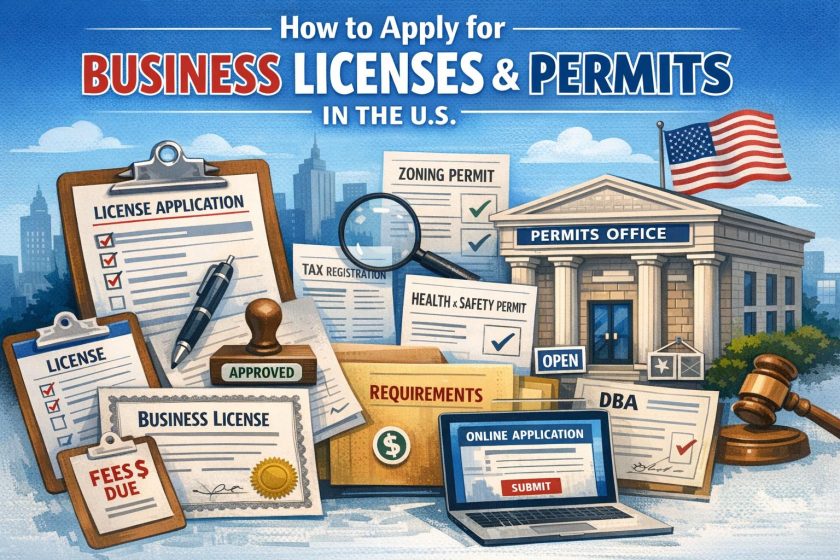
Understanding Business Licenses and Permits
When starting a business in the United States, understanding the legal requirements for operation is a fundamental step. Among the most important of these requirements are business licenses and permits. These authorizations are issued by federal, state, and local government agencies to regulate commercial activities, protect public health and safety, preserve the environment, and ensure compliance with professional and industry standards. The process of obtaining licenses and permits varies depending on the nature of the business, its location, and the regulatory framework governing the specific industry.
Business licenses and permits are not interchangeable terms, although they are often used together. A business license typically grants permission to operate within a specific jurisdiction, while a permit usually provides authorization for a particular activity, such as constructing a building, handling food, or discharging wastewater. Understanding the distinctions and requirements relevant to your business structure and operations is critical to maintaining compliance and avoiding penalties.
Researching the Types of Licenses and Permits Required
Before applying for any license or permit, a business owner must determine which authorizations are required. The requirements depend on several variables, including the type of products or services offered, whether the business has a physical location, the number of employees, and whether regulated goods such as alcohol or firearms are involved.
A general business license is one of the most common requirements. Many cities and counties require businesses to obtain a general operating license to conduct commercial activities within their jurisdiction. This license allows local governments to monitor business activities, enforce zoning regulations, and collect local taxes. Even home-based businesses may be required to obtain a general license depending on local ordinances.
In addition to general licenses, many industries require professional licenses. These licenses verify that individuals meet education, training, and examination standards established by regulatory boards. Professions such as medicine, law, accounting, engineering, cosmetology, and real estate are commonly regulated at the state level. Practitioners must maintain active licenses and often complete continuing education to remain in good standing.
Businesses in the food and beverage sector commonly need health permits. Local health departments inspect restaurants, catering services, food trucks, and grocery establishments to ensure compliance with sanitation, food handling, and storage regulations. Food safety training certification may also be required for managers or employees.
Companies whose activities may affect natural resources are often required to obtain environmental permits. These permits regulate waste disposal, air emissions, water discharge, hazardous material handling, and other environmentally sensitive operations. Manufacturing plants, automotive repair facilities, agricultural operations, and construction projects frequently fall under environmental oversight.
Retail businesses may require a sales tax permit or seller’s permit to collect and remit sales tax to the state. This authorization allows the business to purchase goods for resale without paying sales tax upfront and to legally collect tax from customers where applicable.
Zoning permits are another important consideration. If a business intends to operate from a specific property, local zoning regulations must permit commercial activity in that location. Zoning approval ensures that the business use aligns with the designated land use category. In some cases, a zoning variance or special use permit may be necessary.
Thorough research often involves contacting city hall, county clerk offices, or state regulatory agencies. Many jurisdictions provide centralized business portals that outline required licenses based on business activity. However, ultimate responsibility for compliance remains with the business owner.
Federal Business Licenses and Permits
While most business licensing occurs at the state and local levels, certain industries are regulated by federal agencies. Businesses engaged in federally regulated activities must obtain the appropriate federal authorization before commencing operations.
For example, businesses involved in agriculture, including the import or transport of animals and plants, may require permits from the U.S. Department of Agriculture. Companies that manufacture, distribute, or sell alcohol and tobacco products must obtain permits from the Alcohol and Tobacco Tax and Trade Bureau. Firearms manufacturers and dealers are regulated by the Bureau of Alcohol, Tobacco, Firearms and Explosives and must secure federal firearms licenses.
Aviation-related businesses, including aircraft maintenance operations and commercial drone services under certain conditions, may require authorization from the Federal Aviation Administration. Similarly, companies involved in radio or television broadcasting must comply with licensing requirements administered by the Federal Communications Commission.
Transportation businesses that move goods or passengers across state lines may be subject to oversight from the Department of Transportation. This can include obtaining operating authority numbers and meeting safety compliance standards.
Import and export businesses may need to register with federal agencies and comply with customs and trade regulations. Some goods, including defense-related products, medical devices, and pharmaceuticals, require additional regulatory approvals before distribution.
Federal permits often involve comprehensive application processes that require detailed disclosures, background checks, operational plans, and fee payments. Processing times may vary significantly depending on the complexity of the activity and the volume of applications.
State and Local Business Licenses and Permits
State and local governments issue the majority of business licenses and permits. Requirements differ by state and can vary even between municipalities within the same state. As a result, entrepreneurs must carefully review the regulations in each jurisdiction where they plan to operate.
At the state level, businesses may need to register their legal entity before applying for other licenses. This often involves forming a corporation, limited liability company, partnership, or registering a sole proprietorship under a trade name. Once registered, the business may receive a state identification number that is used for tax and licensing purposes.
State licensing boards regulate many professions. These boards establish entry requirements, license renewal procedures, and disciplinary processes for license holders. Maintaining compliance may involve regularly updating credentials, ensuring insurance coverage, and responding to any regulatory changes.
Local governments typically oversee zoning, building permits, signage permits, and fire department approvals. For example, if a business plans to renovate a commercial space, it may need building permits, electrical permits, and inspections before occupancy is permitted. Fire safety inspections may verify compliance with occupancy limits, sprinkler systems, and emergency exits.
Home-based businesses should pay particular attention to local ordinances. Some municipalities restrict certain commercial activities in residential areas or impose conditions such as limits on customer visits, signage, or parking. Obtaining a home occupation permit may be necessary.
Businesses operating in multiple locations must comply with local requirements in each jurisdiction. This may involve maintaining separate licenses and renewing them on different schedules. Failure to remain current can result in fines, suspension of operations, or other legal consequences.
Preparing Required Documentation
Once the necessary licenses and permits have been identified, assembling the required documentation is the next phase. Although specific documentation varies, several common elements appear in most applications.
Applicants are often required to provide details about the business structure, ownership information, and contact details. For corporations and limited liability companies, formation documents such as articles of incorporation or organization may be requested. Partnerships may need to provide partnership agreements.
A business plan is not always mandatory but may be required for certain permits, particularly those involving regulated industries. A comprehensive plan describes business objectives, target markets, operational procedures, staffing, and financial projections. For regulated sectors such as financial services or waste management, agencies may request detailed compliance procedures within the business plan.
Proof of identity is typically necessary to verify ownership and responsible parties. Government-issued identification documents are commonly accepted. Certain industries may require fingerprinting or background checks.
Proof of a physical address is frequently requested. This may include a lease agreement, property deed, or written authorization from a landlord. Zoning documentation demonstrating that the property is approved for business use may also be required.
Many license applications involve fee payments. Fees vary widely depending on the type of license, the jurisdiction, and the size of the business. Some fees are fixed, while others are calculated based on factors such as revenue, number of employees, or square footage. It is important to confirm payment methods accepted by the issuing agency.
In some cases, businesses must provide proof of insurance coverage. General liability insurance, workers’ compensation insurance, and professional liability insurance may be necessary depending on the industry. Surety bonds may also be required, particularly in construction and contracting fields.
Submission Process
The submission process depends on the issuing authority. Many agencies provide online application portals where applicants can complete forms, upload documents, and pay fees electronically. Online systems often allow applicants to track application status and receive approval notifications.
Some jurisdictions still require in-person submissions or mailed applications. In-person submissions can be beneficial if clarification is needed or if multiple departments must review the application simultaneously. However, processing times may differ between online and manual systems.
Applicants should review all forms carefully before submission. Incomplete applications can result in delays or rejection. Ensuring that all documentation is current and accurately reflects business operations reduces the likelihood of administrative setbacks.
In certain cases, inspections must be completed before final approval. Restaurants may require health inspections, construction projects may require building inspections, and licensed professionals may need to pass examinations. Coordinating inspections in advance can help avoid operational delays.
Some agencies offer expedited processing services for an additional fee. Businesses facing tight launch deadlines may consider this option where available, though availability is not guaranteed across all jurisdictions.
Approval, Renewal, and Ongoing Compliance
After submitting the application, applicants typically receive confirmation that materials have been received. Processing times can vary widely, ranging from several days to several months depending on the complexity of the license.
Upon approval, businesses receive official documentation confirming their authorization to operate. This documentation should be stored securely, and copies may need to be displayed at the business location as required by law.
Licenses and permits are not indefinite in most cases. Many must be renewed annually or biennially. Renewal may require payment of additional fees, submission of updated information, or proof of continued compliance such as completed continuing education hours.
Ongoing compliance obligations may include maintaining accurate records, filing periodic reports, and undergoing routine inspections. Regulatory agencies may conduct audits to verify adherence to applicable standards. Failure to comply with renewal deadlines or regulatory requirements can result in fines, suspension, or revocation of the license.
Businesses that change ownership, relocate, expand operations, or modify services may need to update or reapply for licenses. It is important to notify relevant authorities promptly to maintain compliance during transitions.
Penalties for Non-Compliance
Operating without required licenses and permits can result in substantial penalties. These may include monetary fines, cease-and-desist orders, denial of future applications, and potential civil or criminal liability. Additionally, lack of proper licensing can limit access to financing, insurance coverage, and contractual opportunities.
Certain contracts may be unenforceable if entered into by an unlicensed entity when a license was required. This can expose businesses to financial risk and reputational harm. Maintaining current and valid authorizations provides legal protection and demonstrates adherence to professional standards.
Regulatory enforcement is typically carried out by specific agencies, and violations may be resolved through corrective action plans or formal hearings. Proactive compliance is generally more effective and less costly than addressing enforcement actions after violations occur.
Strategic Considerations for Business Owners
Effective planning helps streamline the licensing process. Incorporating licensing research into early business planning stages can prevent operational delays. Creating a compliance checklist that includes application deadlines, renewal dates, and inspection schedules can support long-term regulatory adherence.
Consulting with legal counsel or compliance professionals may be advisable for businesses operating in heavily regulated industries such as healthcare, financial services, construction, or environmental management. Professional guidance can clarify ambiguous regulatory language and reduce risk.
Technology tools and compliance management software can assist in tracking multiple licenses across jurisdictions. This is especially useful for businesses operating in several states.
Understanding business licenses and permits is a necessary component of lawful operation in the United States. Although requirements vary by industry and jurisdiction, systematic research, careful documentation, timely submission, and ongoing compliance can help businesses navigate regulatory frameworks effectively. By maintaining appropriate authorizations, businesses position themselves to operate within legal boundaries and support sustainable growth within established regulatory systems.